
Every year, thousands of accidents occur near schools, many involving children walking to or from class. School zones are designed to protect students, parents, teachers, and pedestrians, but they only work when drivers respect the rules. Understanding and following school zone laws is not just about avoiding tickets—it’s about protecting lives.
Whether you’re a new driver in teen driving lessons or an experienced adult brushing up on safety, mastering school zone and pedestrian safety rules is essential.
School zones are designated areas around schools where traffic laws become stricter. The goal is to reduce speed and increase driver awareness where children are most vulnerable.
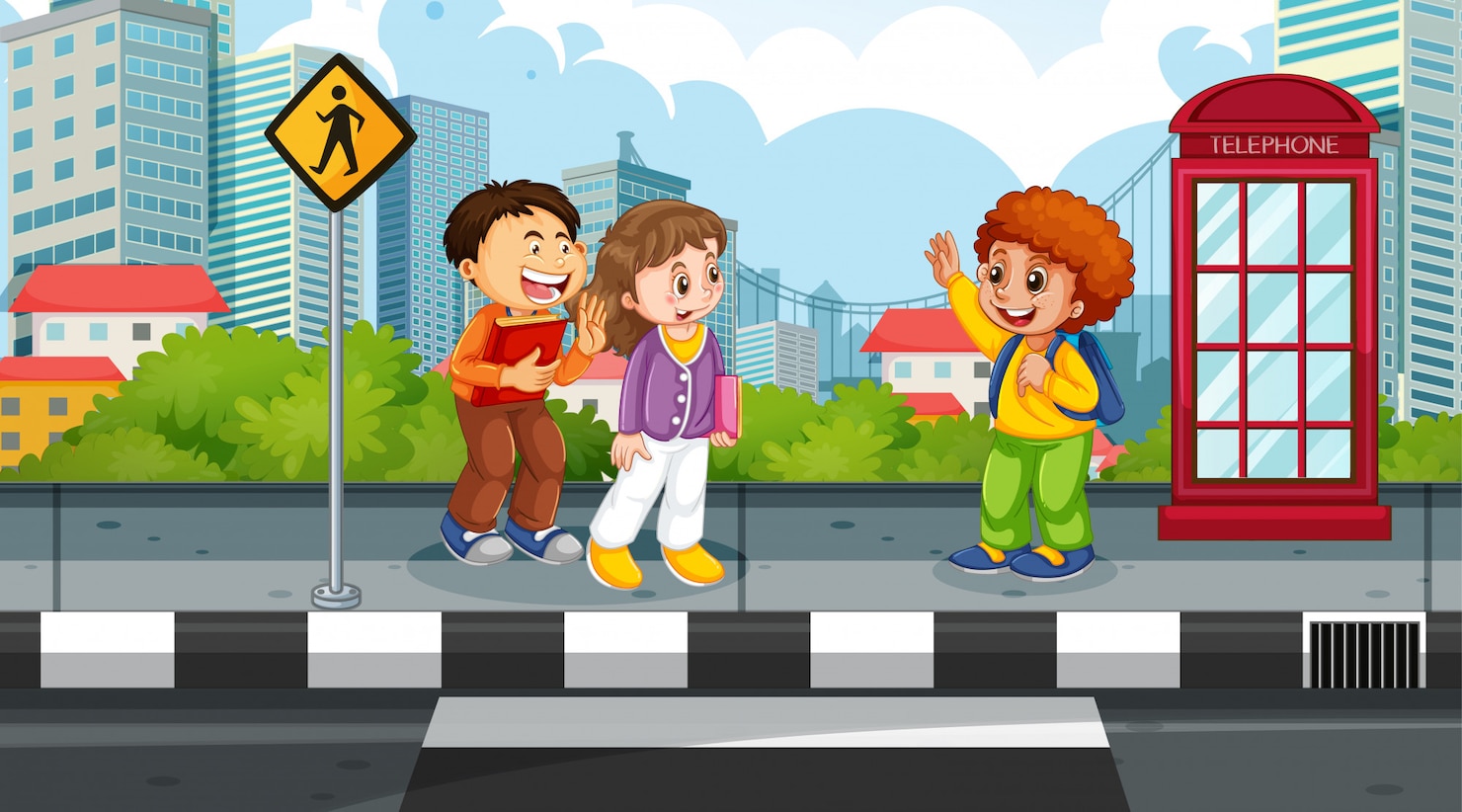
Children are unpredictable. They may:
Cross the street without looking both ways.
Run out from between parked cars.
Be distracted by friends or phones.
Because of this, drivers must take extra precautions in school zones to prevent tragedies.
Obey Reduced Speed Limits
Most school zones have reduced speed limits (often 15–25 mph). These limits are strictly enforced because lower speeds give drivers more reaction time.
Watch for Flashing Lights and Signs
Signs or flashing beacons indicate when school zone rules are in effect, typically during arrival and dismissal times.
Yield to Pedestrians in Crosswalks
It’s the law to stop for pedestrians at marked and unmarked crosswalks. Children should always have the right of way.
No Passing in School Zones
Passing other vehicles in a school zone is illegal and dangerous. A child might cross unexpectedly in front of the car you’re trying to pass.
Stop for School Buses
When a school bus has its stop sign arm extended and lights flashing, all traffic in both directions must stop—unless there is a physical median separating the lanes.
Pedestrian safety is closely tied to school zones. Here are key rules and habits drivers must adopt:
Be alert at crosswalks and intersections – Children often cross in groups, so wait until the crosswalk is completely clear.
Avoid distractions – Phones, food, or adjusting controls can cost you critical seconds.
Make eye contact – If a pedestrian is waiting to cross, establish eye contact so they know you see them.
Slow down near parked cars – Kids can dart out between vehicles without warning.
Driving safely in school zones isn’t just about following the rules—it’s about defensive driving:
Anticipate that children may act unpredictably.
Keep a safe following distance from the car ahead of you.
Cover your brake when driving near schools, ready to stop quickly.
Avoid aggressive driving behaviors like tailgating or honking.
These techniques are often taught in 6 hour behind the wheel training sessions, helping drivers build habits that protect pedestrians and reduce risks.
Ignoring school zone safety comes with serious consequences:
Heavy fines – Tickets in school zones are often double the normal amount.
License points – Violations can add points to your driving record.
Increased insurance rates – A single ticket can raise premiums for years.
Most importantly: risk of injury or death – No fine compares to the lifelong impact of hurting a child.
Parents, instructors, and communities play a role in teaching new drivers the importance of school zone safety. Teen drivers especially need reminders to slow down, watch for kids, and remain patient during busy drop-off and pick-up times.
Driving schools emphasize these lessons during training, ensuring new drivers are prepared to handle real-world conditions responsibly.
School zones and pedestrian safety rules are more than just laws—they are lifesaving measures. By slowing down, yielding to pedestrians, and staying alert, drivers create safer communities for children and families.
Whether you’re in teen driving lessons or an experienced driver refreshing your skills, remember: every decision you make behind the wheel matters. The extra seconds you spend being cautious in a school zone could save a life.
92 Main Street WoodBridge, New Jersey 07095 USA
techdrivingschool [ @ ] gmail.com
7327504455
#000048