
Learning how to drive is one of the biggest milestones in a teenager’s life. It represents independence, responsibility, and the beginning of new opportunities. However, for many teens, getting behind the wheel for the first time can also feel intimidating. Nervousness, fear of making mistakes, and lack of experience often make beginner drivers uncertain about their abilities. This is where professional driving schools play an important role.
A certified driving school does more than simply teach traffic rules and parking techniques. It helps teenagers develop confidence, improve decision-making skills, and become responsible drivers. Through structured lessons, expert guidance, and real-world driving experience, teens learn how to handle different road situations calmly and safely.
In this blog, we’ll explore how driving schools help teens build confidence behind the wheel and why professional training is one of the smartest investments for young drivers.
Confidence is essential for safe driving. A confident driver is more likely to stay calm, make quick decisions, and react appropriately in challenging situations. On the other hand, nervous or unsure drivers may hesitate, panic, or make poor decisions that increase the risk of accidents.
Teen drivers are especially vulnerable because they are still learning how to manage traffic, road signs, weather conditions, and other drivers. Without proper training, they may feel overwhelmed or anxious. Driving schools provide the support and practice teens need to replace fear with confidence.
One of the biggest advantages of attending a driving school is learning from experienced instructors. Certified driving instructors understand that every teen learns at a different pace. They are trained to teach beginner drivers patiently and professionally.
Professional instructors create a calm and supportive learning environment where teens feel comfortable asking questions and making mistakes. Instead of feeling judged, students receive constructive feedback that helps them improve gradually.
This positive learning atmosphere helps teens:
A supportive instructor can make a huge difference in helping teens overcome nervousness during their early driving experiences.
Driving can feel overwhelming when teens try to learn everything at once. Professional driving schools use structured lesson plans that introduce skills gradually. Students begin with basic driving concepts before moving on to more advanced techniques.
Typical lessons may include:
This step-by-step approach prevents teens from feeling overloaded. As they successfully master each skill, their confidence naturally grows.
Practice is one of the most important parts of learning how to drive. The more experience teens gain, the more comfortable they become on the road.
Driving schools provide supervised practice in controlled environments before exposing students to complex traffic situations. Teens often begin driving in quieter neighborhoods or parking lots before progressing to busy streets and highways.
This gradual exposure allows students to:
Because instructors are always present to guide and assist, teens can focus on learning without feeling overwhelmed.
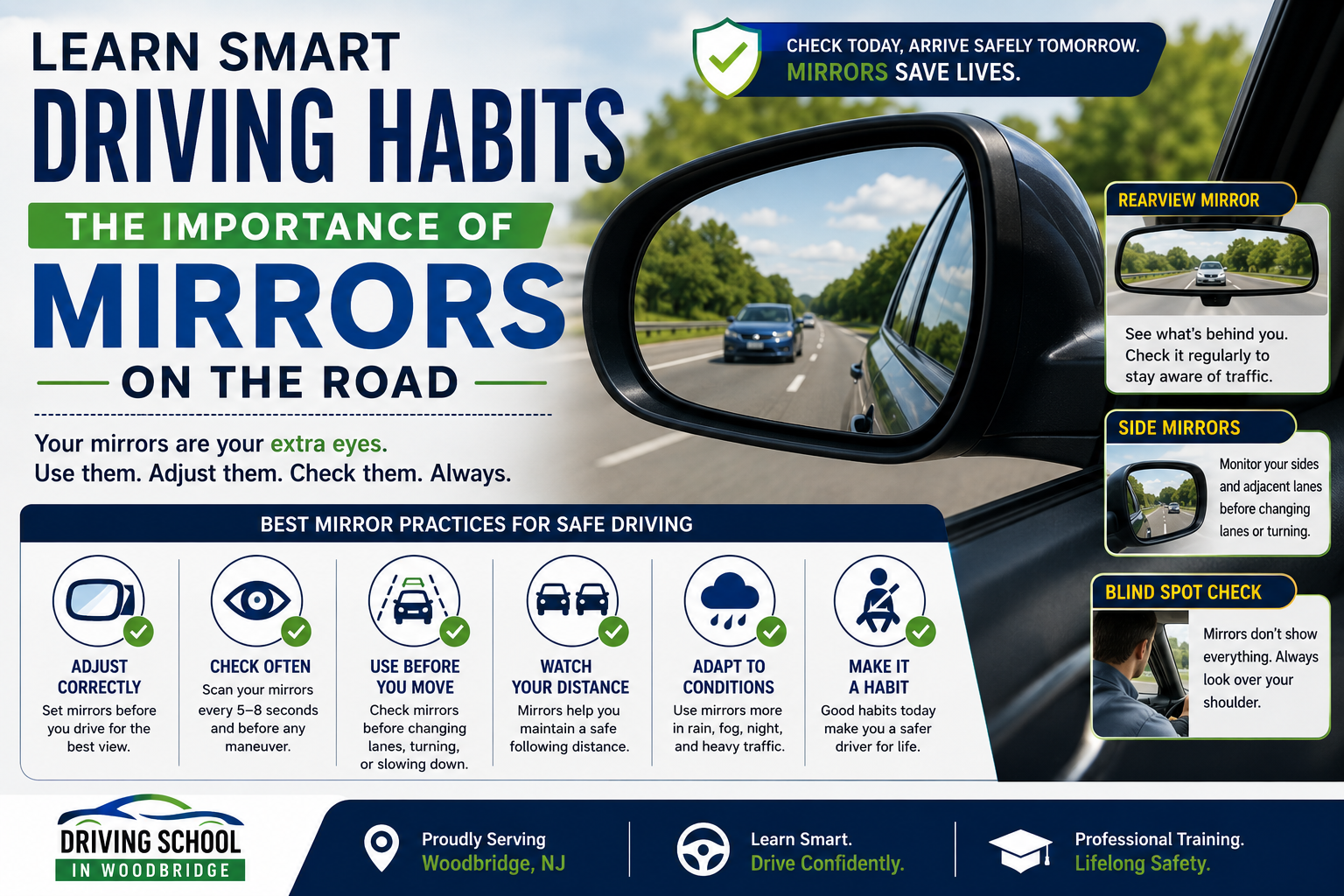
Confidence doesn’t mean being reckless or overconfident. True driving confidence comes from knowing how to stay safe in different situations. Driving schools teach defensive driving techniques that help teens become more aware and prepared on the road.
Defensive driving includes:
When teens understand how to handle unexpected situations safely, they feel more in control behind the wheel. This sense of preparedness greatly increases confidence.
Every new driver makes mistakes while learning. Some teens may panic after making an error, especially if they are criticized harshly by family members or friends during practice sessions.
Professional driving instructors are trained to correct mistakes calmly and professionally. Instead of creating fear, they help students understand what went wrong and how to improve.
This teaching method helps teens:
Knowing that mistakes are a normal part of the learning process helps teens become more relaxed and confident drivers.
Many teens feel nervous when driving in heavy traffic, on highways, or in unfamiliar areas. These situations can seem stressful for beginner drivers.
Driving schools gradually introduce teens to different traffic conditions under instructor supervision. Students learn how to:
Repeated exposure to these situations helps teens overcome fear and gain confidence through experience.
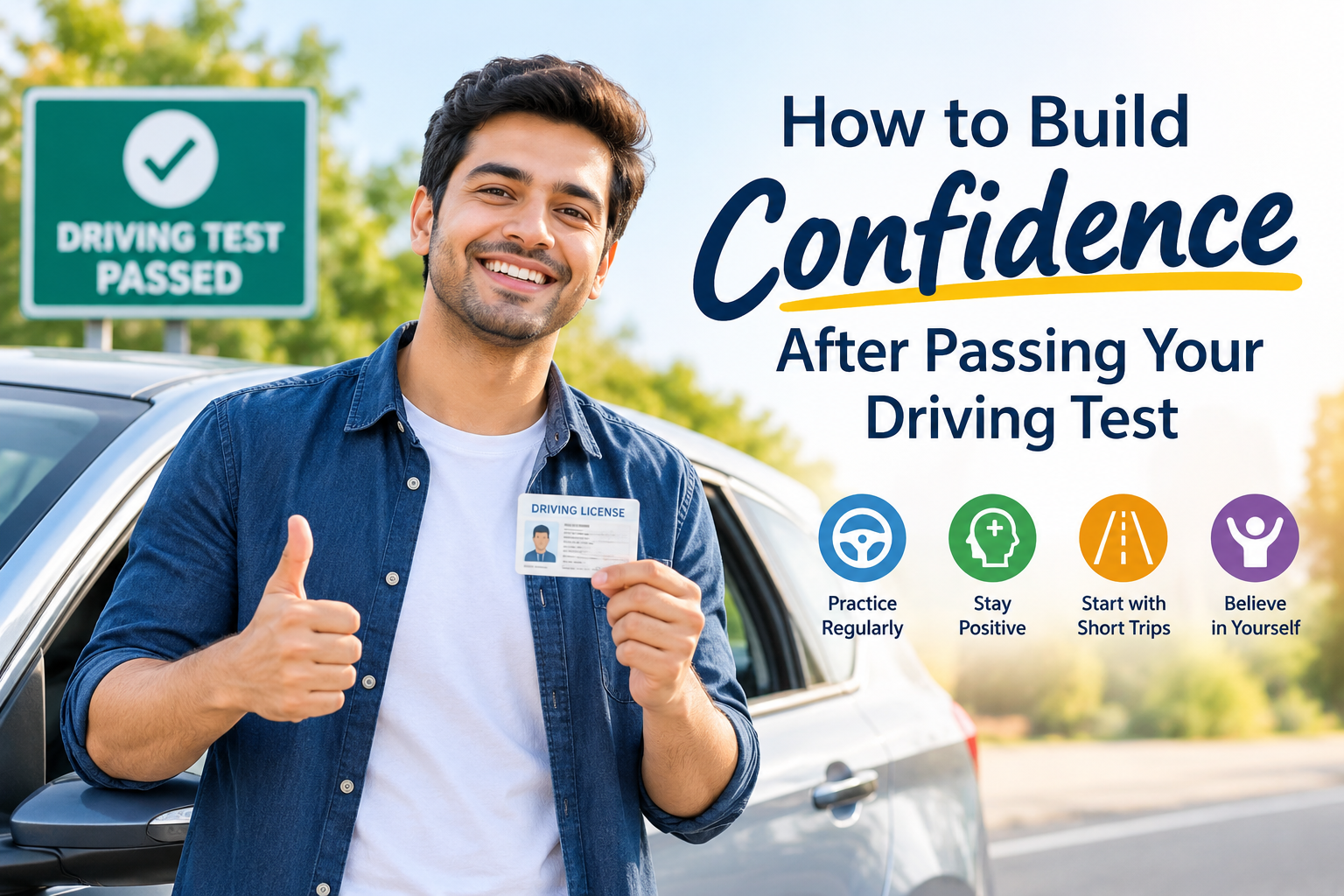
One major source of anxiety for teen drivers is the driving test. Many students fear failing the road test because they lack confidence or experience.
Driving schools prepare teens thoroughly for the test by reviewing:
Mock driving tests are often included to simulate real exam conditions. This preparation helps teens feel more comfortable and confident on test day.
Confident students are more likely to:
Parents often worry about their teen drivers’ safety. While parents can provide valuable practice time, professional driving schools offer expert instruction that many parents may not be equipped to provide.
Driving schools help reassure parents by teaching teens:
Knowing their teenager has received professional training gives parents greater confidence in their child’s driving abilities.
The habits teens develop during their early driving years often stay with them for life. Professional driving schools emphasize responsible driving behaviors that reduce accident risks and encourage long-term safety.
Students learn the importance of:
These habits not only build confidence but also help teens become safer, more responsible drivers throughout adulthood.
Driving gives teens greater freedom and independence. Whether commuting to school, work, sports practice, or social activities, driving allows teenagers to manage their schedules more independently.
However, independence requires responsibility. Driving schools help teens develop the skills and confidence needed to drive safely on their own.
Confident drivers are more likely to:
This independence becomes an important step toward adulthood.
Statistics show that inexperienced drivers are more likely to be involved in accidents. Professional training helps reduce this risk by teaching teens how to recognize dangers and react appropriately.
Driving schools focus heavily on:
As teens become more skilled and confident, they are better prepared to avoid accidents and stay safe on the road.
Some families may wonder whether professional driving lessons are truly necessary. While parents can teach basic driving skills, certified driving schools provide a structured learning experience that builds both skill and confidence.
Professional driving education offers:
For many teens, these benefits make the learning process smoother, safer, and less stressful.
Learning to drive is an exciting but challenging experience for teenagers. Confidence behind the wheel doesn’t happen overnight—it develops through proper instruction, consistent practice, and supportive guidance.
Driving schools play a critical role in helping teens become confident, responsible, and safe drivers. Through structured lessons, defensive driving education, and supervised practice, young drivers gain the skills they need to handle real-world road situations with confidence.
For parents and teens alike, enrolling in a professional driving school is more than just preparing for a road test. It’s an investment in lifelong driving safety, confidence, and independence.
92 Main Street WoodBridge, New Jersey 07095 USA
techdrivingschool [ @ ] gmail.com
7327504455
#000048