

Learning to drive is one of life’s most valuable milestones. But while many new drivers focus mainly on the hands-on, practical part of driving, they often underestimate the importance of theoretical knowledge.
In reality, understanding driving theory is just as crucial as mastering the mechanics of operating a vehicle. A well-rounded driver combines both — knowing what to do (theory) and how to do it (practice).
In this blog, we’ll explore how theoretical knowledge strengthens your practical driving skills, why both are essential for road safety, and how Technical Driving School in New Jersey helps learners excel in both aspects.
Before you ever start the engine, your understanding of road rules, signs, and driving principles sets the foundation for everything that follows.
It builds awareness of traffic laws and signals that every driver must obey.
It helps you recognize road markings, right-of-way rules, and speed limits.
It prepares you mentally for what to expect during real-world driving situations.
Without a strong theoretical foundation, new drivers might know how to move the car but fail to understand when and why to make certain decisions — which can lead to mistakes and unsafe driving habits.
One of the biggest differences between a beginner and an experienced driver is the ability to predict potential hazards.
Theoretical driving lessons teach you about:
Defensive driving principles
Safe following distances
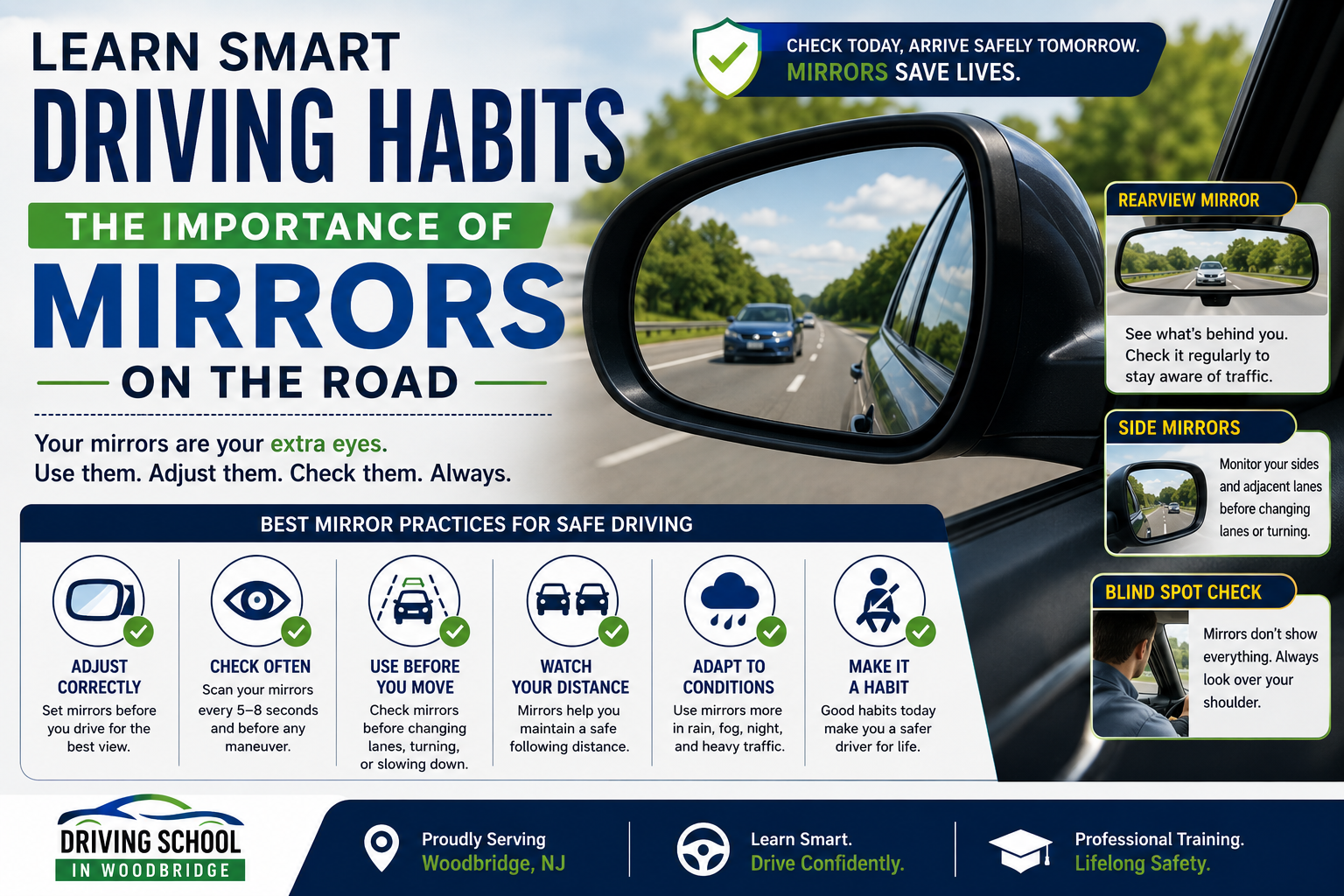
Blind spots and mirror checks
Weather and road condition awareness
When you understand these concepts theoretically, it becomes easier to recognize them in real situations.
For example, if you’ve learned about the two-second rule in class, you’ll naturally apply it when maintaining a safe distance from the car ahead — without hesitation.
That’s how theory transforms into instinctive, safe behavior on the road.
During practical lessons, instructors often remind students to pay attention to road signs — but real understanding comes from your theoretical knowledge.
Interpret warning, regulatory, and informational signs instantly
Respond correctly to temporary signs, such as detours or construction zones
Make safe and legal turns or lane changes based on markings and signals
If you rely solely on practice without studying the meaning behind signs and symbols, you might misinterpret instructions — leading to potential fines, confusion, or even accidents.
Confidence behind the wheel comes from knowledge. When you understand the “why” behind the “how,” you’re better prepared to face different driving challenges.
For instance:
Knowing how ABS brakes function helps you stay calm during emergency stops.
Understanding lane discipline and right-of-way rules prevents confusion at intersections.
Learning how to handle a skid or what to do in foggy conditions helps you respond correctly in emergencies.
At Technical Driving School, many students report that after completing their theory sessions, their anxiety during practical lessons decreases significantly — because they know what to expect and how to respond.
A major goal of driving theory is to make learners proactive instead of reactive.
Scan the road ahead and identify risks early
Predict the actions of other drivers, pedestrians, and cyclists
Maintain a safe distance and avoid aggressive driving behaviors
When combined with practical training, these skills lead to defensive driving habits — helping you avoid collisions and handle unexpected situations with confidence.
Driving theory also introduces you to basic car mechanics and controls — information that becomes invaluable when you start practical sessions.
You’ll learn about:
How brakes, gears, and clutches work
The meaning of dashboard warning lights
Tire pressure, oil levels, and regular maintenance checks
When you understand how your car functions, you’re more capable of operating it smoothly, identifying problems early, and reducing wear and tear. This makes your driving both safer and more efficient.
Before you can take your road test, you must pass the written knowledge exam — a key step in obtaining your driver’s license in New Jersey and other states.
The theoretical portion of driver education helps you:
Memorize state traffic laws and road signs
Understand penalties and point systems
Learn about insurance requirements and accident procedures
Students who complete their theory training first often find the practical test easier, since they already know what examiners look for — from signaling correctly to obeying speed limits.
Driving is not just about skill — it’s about responsibility.
Theoretical instruction emphasizes topics like:
The effects of alcohol and drugs on driving
Distracted driving dangers (like texting)
Speeding consequences
Sharing the road safely with cyclists and pedestrians
This awareness shapes you into a respectful, law-abiding driver who values safety — not just for yourself, but for everyone on the road.
Think of driving education as a two-part process:
| Theoretical Knowledge | Practical Application |
|---|---|
| Learn traffic laws and signs | Apply them in real traffic situations |
| Understand car mechanics | Operate vehicle smoothly and safely |
| Study defensive driving | Avoid collisions and handle emergencies |
| Learn from simulations | Experience real road conditions confidently |
When both components work together, you develop the skills, awareness, and judgment needed to become a safe and competent driver.
Skipping theory is like trying to build a house without a blueprint — it may stand, but it won’t be stable.
At Technical Driving School, we understand that driving education goes beyond steering and braking. That’s why our programs are designed to balance theory with practice, ensuring every student becomes a confident, safe, and responsible driver.
🚘 27 years of experience in professional driver training
🌟 684+ positive reviews with an impressive 4.9-star rating
👨🏫 10+ certified, experienced instructors
📚 Comprehensive theory classes covering rules, safety, and hazard perception
🛣️ Practical, hands-on training in real traffic conditions
🕓 Flexible class schedules for learners of all ages
Our mission is simple — to help every student understand driving, not just perform it.
The road to becoming a great driver starts long before you hit the accelerator. Theoretical knowledge gives you the understanding and confidence you need, while practical lessons turn that knowledge into skill.
Together, they form the perfect foundation for safe, smart, and confident driving.
Whether you’re preparing for your first license, improving your driving habits, or learning defensive driving, Technical Driving School in New Jersey is here to guide you every step of the way — from the classroom to the open road.
92 Main Street WoodBridge, New Jersey 07095 USA
techdrivingschool [ @ ] gmail.com
7327504455
#000048