

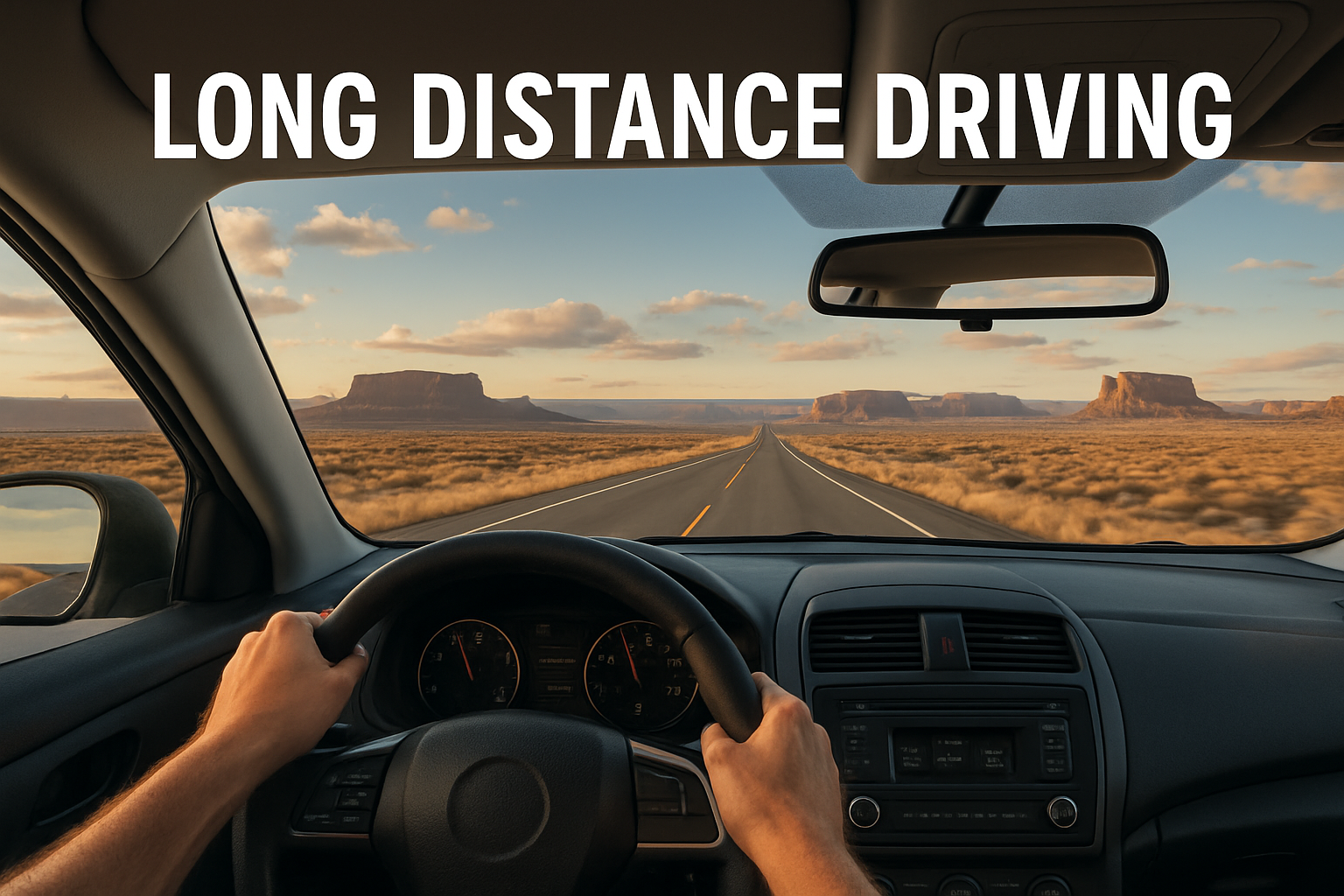
Long-distance driving can be an exciting way to explore new places, visit family, or simply enjoy the open road. But whether you’re planning a road trip or commuting between cities, driving long distances can take a toll on your body, vehicle, and focus. That’s why preparation, planning, and safe driving habits are crucial for a smooth journey.
At Technical Driving School, we believe that education is the foundation of safe driving, especially when covering hundreds of miles at a time. Here are 10 expert tips to make your long-distance driving experience safer and easier.
Before you hit the road, map out your route using GPS or navigation apps like Google Maps or Waze. Know where you’ll stop for fuel, meals, or breaks. Avoiding high-traffic areas, toll roads, or construction zones can make your trip faster and less stressful.
Bonus Tip: Always have a backup offline map in case you lose signal in rural or remote areas.
Fatigue is one of the leading causes of highway accidents. Driving tired can be just as dangerous as driving under the influence. Ensure you get at least 7–8 hours of quality sleep before your trip. If you start feeling drowsy while driving, it’s time to pull over and rest.
Our Defensive Driving Course in East Orange, NJ teaches drivers how to recognize the signs of fatigue and how to react safely. It’s an essential skill for long-haul drivers.
Before any long drive, perform a basic vehicle check:
Tire pressure and tread
Oil and fluid levels (coolant, brake, windshield washer)
Brake function
Headlights, brake lights, and turn signals
Windshield wipers
A quick inspection can prevent breakdowns and keep you safe on the road. For longer trips, consider getting your car serviced by a mechanic.
Anything can happen on the road—from flat tires to bad weather. Keep an emergency kit in your vehicle that includes:
First aid supplies
Jumper cables
Flashlight with extra batteries
Water and snacks
Blanket
Tire inflator or sealant
Phone charger or power bank
This kit could be a lifesaver, especially if you’re traveling through remote areas.
Dehydration and poor nutrition can affect your concentration and energy levels. Pack plenty of water and opt for healthy, energy-sustaining snacks like nuts, granola, and fruit.
Avoid heavy meals and junk food, which can make you feel sluggish or sleepy.
Driving nonstop for hours is not only exhausting but also risky. Aim to take a break every 2 hours or 100 miles. Stretch your legs, get some fresh air, and reset your focus.
If possible, switch drivers to share the load.
Tip: Use rest stops, gas stations, or scenic pull-offs to relax for 10–15 minutes.
Cruise control is a great tool to maintain a consistent speed and reduce fatigue on highways. However, it should be used only in ideal conditions—straight roads, light traffic, and dry weather.
Avoid using cruise control in heavy rain, snow, or congested areas where quick reactions may be required.
Long-distance drivers often face sudden changes—weather shifts, reckless drivers, or road debris. Practicing defensive driving means:
Staying focused and distraction-free
Keeping a safe following distance
Watching blind spots
Expecting the unexpected
If you’re in New Jersey, consider enrolling in our Defensive Driving Course in East Orange, NJ. This course helps you develop reaction strategies, improve hazard perception, and even reduce insurance rates.
Weather conditions can change rapidly, especially when driving through different climates or elevations. Check the forecast before your trip and be ready for:
Fog
Rain or snow
High winds
Ice or black ice
Always reduce speed and increase your following distance when weather worsens. If visibility is too low, find a safe spot to wait it out.
While music or podcasts can help keep you awake and entertained, avoid distractions. Set up playlists or audiobooks before driving so you don’t fumble with your phone while on the road.
Hands-free devices and in-car voice commands are helpful, but remember: the road deserves your full attention.
If you find yourself swerving, struggling to focus, or blinking frequently—it’s time to stop driving. No destination is worth risking your life. Book a hotel, find a rest area, or call for backup if necessary.
Even experienced drivers can benefit from additional training. A defensive driving course in East Orange, NJ from Technical Driving School equips you with life-saving techniques, including:
How to handle road rage and aggressive drivers
Night driving strategies
Emergency maneuvers
Reaction time improvement
These skills are especially important during long trips, where attention span and endurance are tested.
Long-distance driving doesn’t have to be stressful. With proper preparation, smart driving habits, and a focus on safety, your trip can be enjoyable and efficient. Whether you’re heading out for a road trip or making a long daily commute, following these expert tips will keep you safe behind the wheel.
If you’re looking to improve your skills and confidence, enroll in our Defensive Driving Course in East Orange, NJ. At Technical Driving School, we’re here to help you drive smarter—not just farther.
Ready to become a more confident long-distance driver?
Contact us at Technical Driving School today and ask about our defensive driving programs, private lessons, and road test prep in East Orange and beyond.
92 Main Street WoodBridge, New Jersey 07095 USA
techdrivingschool [ @ ] gmail.com
7327504455
#000048